


14.9K


Source: US Department of Labor, Producer Price Index
The commercial sector continues to decline, down 4% year-to-date. Although some indicators show mixed signals, most categories remain below last year’s performance. Public construction, once the industry’s growth leader, has also cooled—showing just a 3% gain compared to 10% at this time last year. With economic uncertainty mounting and potential tariffs looming, many firms are taking a cautious approach, scaling back investments and bracing for slower growth ahead.
Material costs continue to rise, with most price indices showing steady gains. However, discrepancies between reporting agencies remain significant—some differ by up to 10% for the same materials. It’s crucial to reference multiple data sources when assessing current pricing trends. Market uncertainty persists, driven by proposed tariffs and ongoing inflation. Another factor to monitor is the recent rise in crude oil prices, nearing $60 per barrel. This could impact the cost of various construction materials, though the full effect is yet to be seen.
After roughly three years of relative stability, plywood prices have started to climb—up about 4% so far this year. With the housing sector showing little sign of recovery, the increase is somewhat puzzling. Looking ahead, forecasting plywood’s direction remains challenging, especially as the potential for higher lumber tariffs looms. For now, plywood remains a material worth keeping a close eye on.
After sharp increases two years ago and subsequent price corrections of 5–8%, aluminum is once again climbing—up 23% year-to-date. Similar to steel, aluminum is now facing new tariffs ranging from 25% to 50%, adding further upward pressure on pricing and volatility across related construction materials.
For much of the year, plastic pipe pricing had resisted following fluctuations in oil costs. However, with crude oil now holding steady around $60 per barrel, a long-expected price adjustment has finally materialized. Construction activity—particularly in the housing sector—has slowed, leading to reduced demand and a corresponding 5–8% drop in plastic pipe prices. Meanwhile, the earlier boost from infrastructure spending appears to be fading, offering little support to counteract the decline in demand.
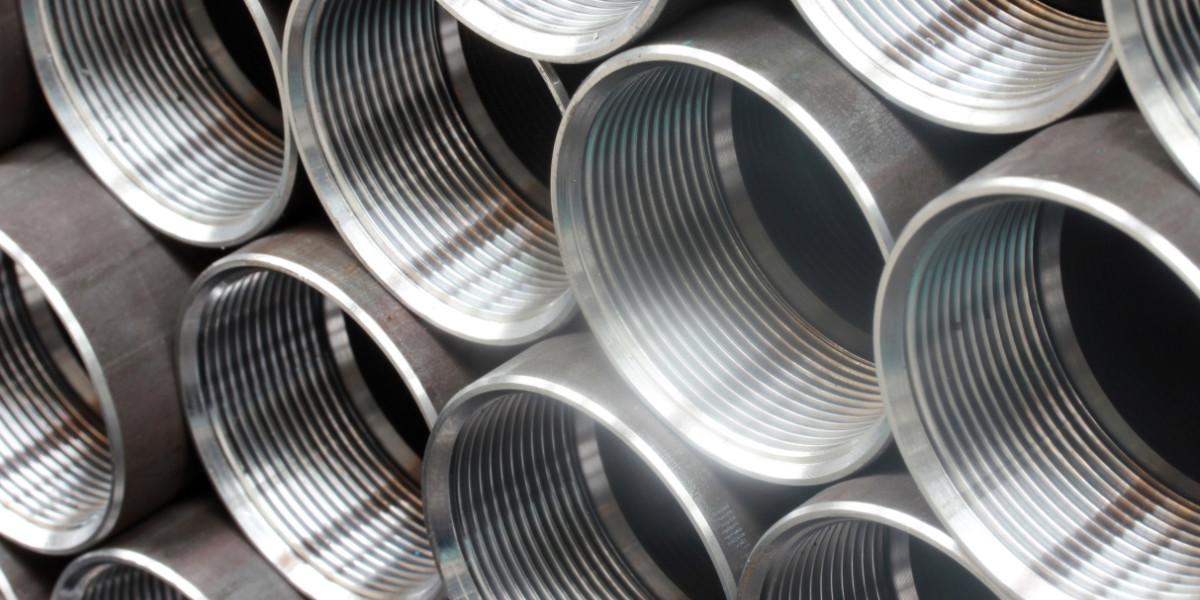
After a steep decline following the pandemic and a period of stability over the past two years, steel pipe prices are once again trending upward—rising about 7% compared to last year. This increase appears to be driven less by market demand and more by recent tariff hikes on steel, which have surged between 25% and 50%, putting additional pressure on material costs.
Copper – once relatively stable—is now highly volatile. Despite softer demand, supply disruptions and tariffs have driven sharp price swings, from $4.01 per pound in January to peaks above $6.00 before settling around $4.80. It remains one of the most unpredictable materials in today’s construction market.

Design Cost Data is the leading cost estimating provider for design and construction, offering the largest database of historical construction costs in America, essential for preliminary cost estimating and cost modeling.

©2024 Design Cost Data – All Right Reserved.
Subscribe now to keep reading and get access to the full archive.